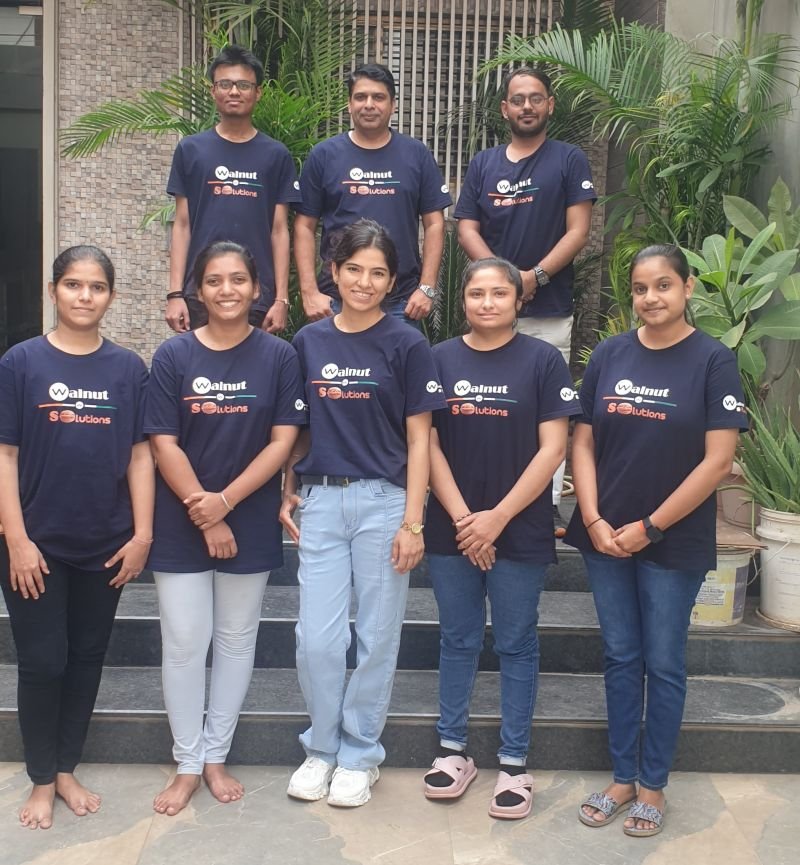
In today’s competitive business landscape, organizations prioritizing employee appreciation and recognition have a distinct advantage. Employees are the lifeblood of any successful company, and acknowledging their efforts and contributions can fuel motivation, loyalty, and productivity.
Fostering a Positive Work Culture:
Employee appreciation and recognition create a positive work culture where employees feel valued and respected. When employees feel their efforts are noticed and appreciated, they are more likely to be engaged, committed, and willing to go the extra mile for the company. This positive work culture leads to increased job satisfaction and reduced turnover rates, ultimately saving the business time and resources in recruiting and training new hires.
Boosting Employee Morale:
Acknowledging employees’ hard work through personalized employee appreciation gifts, programs, verbal praise, or tangible rewards can significantly boost employee morale. High morale contributes to a happier and more motivated workforce, directly impacting productivity and creativity. Employees who feel appreciated are more likely to be proactive in problem solving and contributing innovative ideas, which can lead to business growth and success.
Enhancing Employee Productivity:
Recognizing and appreciating employees’ efforts can be a powerful tool for enhancing productivity. When employees feel their hard work is recognized and valued, they are likelier to feel a sense of ownership and responsibility toward their tasks. This increased sense of ownership can lead to higher productivity and efficiency, as employees are motivated to perform at their best.
Strengthening Employee Engagement:
Employee engagement is crucial for business success. Engaged employees are emotionally committed to their work and the organization, resulting in increased dedication to achieving business goals. Recognition and appreciation play a key role in strengthening employee engagement. Regularly acknowledging achievements and milestones encourages employees to stay committed to the company’s mission and vision.
Improving Employee Loyalty and Retention:
In today’s dynamic job market, retaining top talent is essential for business continuity and growth. Employee appreciation and recognition can build strong bonds between employees and the organization. When employees feel valued, they are more likely to remain loyal to the company and resist the temptation of job-hopping. This reduced turnover saves the business the costs of recruiting and training new employees.
Encouraging Collaboration and Teamwork:
Recognition and appreciation also extend to teamwork and collaboration. Acknowledging successful team efforts reinforces the value of working together towards common goals. This positive reinforcement can encourage employees to collaborate more effectively, improving communication, problem-solving, and project outcomes.
Attracting Top Talent:
A reputation for valuing and recognizing employees can be a magnet for attracting top talent. Prospective employees often seek out organizations with positive work cultures and vital employee recognition programs. By actively promoting appreciation and recognition, businesses can position themselves as desirable employers in a competitive job market.
In conclusion, employee appreciation and recognition are potent tools for business prosperity. Businesses can create a thriving organization by fostering a positive work culture, boosting employee morale, enhancing productivity, strengthening engagement, improving retention, encouraging collaboration, and attracting top talent. Investing in employee appreciation is not just an act of kindness; it is a strategic decision that yields long-term benefits and positions the company for sustained growth and success.